
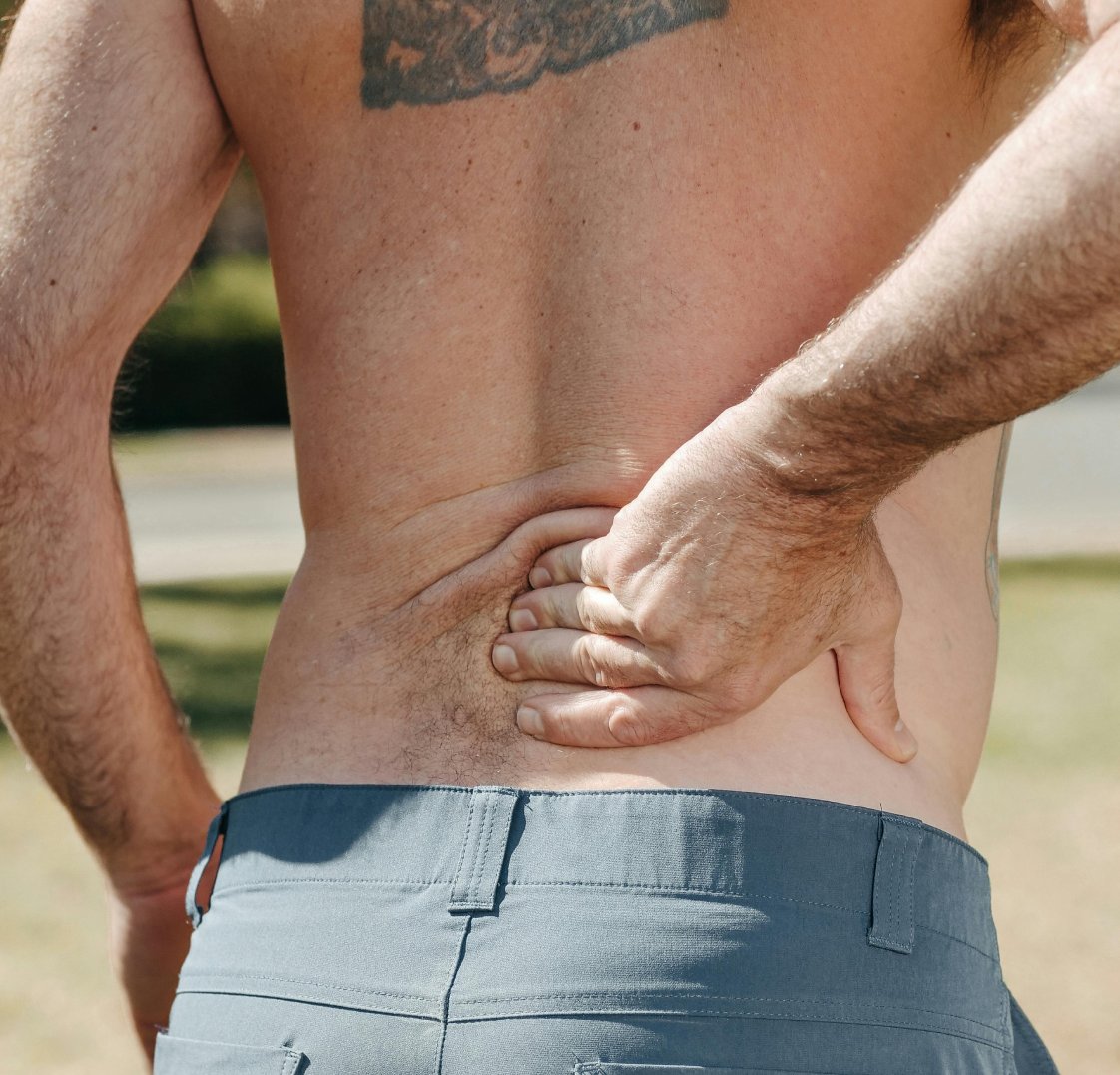
- What is osteoarthritis of the spine?
- What are the causes of spine degeneration?
- How is spinal osteoarthritis manifested?
- How to Treat Neck Stiffness?
Osteoarthritis of the spine is a disease of the locomotor system that causes pain and restricts movement. It arises as a result of changes in the area of bones, intervertebral discs and soft tissues.
The disease usually affects older people, but younger people are increasingly suffering from this condition.

How to treat osteoarthritis of the spine?
What is osteoarthritis of the spine?
Spine degeneration is the premature wear of the body, in which the spine loses its elasticity over time, the vertebrae harden, and the intervertebral discs shrink and shift.
As the disease progresses, the joint capsule, bones, tendons and muscles are also damaged. Due to the lack of synovial fluid between the cartilages, adjacent bones begin to rub against each other. Consequently, all these changes cause pain, instability and deformation of the entire spine, which lead to a deterioration of the quality of life.
Depending on the location of the disease, we divide it into: degeneration of the cervical, thoracic and lumbar spine. Osteoarthritis of the spine occurs primarily in older people, but it also affects adults.
Premature wear of joints is most often caused by long-term incorrect body position at work and excessive physical activity.
What are the causes of spine degeneration?
The occurrence of degeneration of the spine joints is influenced by the following causes:
- age,
- obesity,
- posture defects,
- injury,
- overload of the spine,
- lack of physical activity,
- arthritis,
- hormonal changes,
- congenital factors.
How is spinal osteoarthritis manifested?
The main symptom of spinal degeneration is pain, which may be sudden, acute or chronic.
It most often occurs during movement and may be accompanied by a cracking sound. As the disease affects specific joints, they gradually lose their full range of motion.
The axis of the joint is also changed, resulting in distortions and widening of contours. Another telltale symptom is the stiffness that usually occurs upon waking, which must be broken up in order to get the body working again.
Osteoarthritis of the spine - physiotherapy
Treatment for degenerative joint disease of the spine is individually tailored to the type and severity of the condition. Unfortunately, the condition is not curable; only symptomatic relief and slowing of progression can be achieved. The most effective method for minimizing pain is physiotherapy.
It includes manual treatments and physical rehabilitation through exercises to strengthen and relax the back and abdominal muscles.
Our qualified physiotherapists in Szczecin also educate the patient on exercises and daily habits that can help slow down the disease and reduce symptoms.
In addition to physiotherapy , you should maintain a healthy body weight and avoid straining your spine.
Sets of exercises for the cervical, thoracic and lumbar spine
Our physiotherapy specialists in Szczecin:
- Damian Stucki
A certified osteopath, a graduate of the ESO International School of Osteopathy in England and a Physiotherapist - a graduate of the PUM in Szczecin.
- Rafal Antczak
Osteopath - a graduate of the European School of Osteopathy ESO in Boxley and a certified physiotherapist and manual therapist with 10 years of experience. - Wojciech Horba
A graduate of the Higher School of Education and Therapy in Szczecin and a master's degree in physotherapy - a graduate of the PUM.
- Natalie Raj
Master of Physiotherapy, a graduate of the Pomeranian Medical University in Szczecin.
- Marek Skawinski
A graduate of the Pomeranian Medical University. In working with patients, he places great emphasis on the practical use of his knowledge.
As part of physiotherapy and rehabilitation, we provide the following services in Szczecin:
- Osteopath
- Neurotactin therapy,
- Three-plane manual foot therapy in children,
- N.D.T. Bobath,
- Craniosacral therapy,
- Manual therapy,
- Temporomandibular joint rehabilitation,
- Corrective gymnastics for children and adolescents,
- Body mass composition analysis,
- Computerized foot examination,
- Kinesiotaping,
- Sports massage,
- Relaxing massage,
- Diathermy,
- Dry needling,
- Clavitherapy.