


The key to feeling better
The key to feeling better
Clavitherapy
Clavitherapy
What is clavitherapy??
What is clavitherapy??
Clavitherapy is a non-invasive treatment that will relieve you of headaches and back pain , and will help you relax and unwind.
Our physiotherapists recommend this method to people who value proven, traditional alternative medicine treatments and want to naturally support the body in its self-regeneration.
Professional physiotherapy
Professional physiotherapy
What is clavitherapy??
What is clavitherapy??
Clavitherapy is based on a similar idea to the world-famous acupuncture. It is a reflex treatment technique, classified as an alternative medicine method.
The specialized tool used by a physiotherapist during treatment stimulates specific points in the patient's body, improving the condition of internal organs and overall well-being. Clavitherapy enthusiasts benefit from its benefits during regular preventative treatments.
Stimulating nerve conduction through the use of a "clavicle", a sharpened stimulation tool, helps to de-stress and remove all kinds of tension. The nervous impulse that can be caused by it stimulates and improves the work of internal organs.
Are you tired of pain and muscle tension? Are you looking for an innovative method to help reduce stress? Clavitherapy will help you - a natural, safe reflex therapy.
Proponents of this method praise the positive effect of clavitherapy on the well-being and general condition of the body. It is also appreciated by lovers of a holistic approach to caring for the health of the body.
Example of a clavitherapy treatment (video).
Example of a clavitherapy treatment (video).
Are you tired of pain and muscle tension? Are you looking for an innovative method to help reduce stress? Clavitherapy will help you - a natural, safe reflex therapy.
Proponents of this method praise the positive effect of clavitherapy on the well-being and general condition of the body. It is also appreciated by lovers of a holistic approach to caring for the health of the body.
A visit to the physiotherapy office
A visit to the physiotherapy office
What does the clavitotherapy treatment look like?
What does the clavitotherapy treatment look like?
Your physiotherapist will begin your treatment by taking a health history.
Clavitherapy is performed using a sharpened tool with which the specialist stimulates specific points on the body.
The pressure on the "clavicle" lasts from a few to a dozen or so seconds and is repeated until the pain subsides. Initial treatment sessions should be repeated fairly regularly – their frequency will be determined by your physiotherapist.

What does clavitherapy treat??
What does clavitherapy treat??
The originator of clavitherapy is Dr. Ferdynand Barbasiewicz. He discovered that there are 1100 points on the body that are responsible for various pains and ailments. Skillful stimulation of these points gives great results.
Stimulation of the nervous system allows for the treatment of back pain and headaches , relaxation of tense muscles and de-stressing.
Nerve impulses, stimulated by the physiotherapist with a sharpened "clapper", give the body an impulse to regenerate and self-heal. The treatment perfectly relaxes, so it can be used as anti-stress therapy and relaxation after a hard day.
The naturalness of the treatment allows almost every patient to take advantage of its advantages. Clavitherapy can be used as a supportive treatment during the treatment of ailments with conventional medicine or as an independent treatment procedure.

Advantages of clavitherapy
Advantages of clavitherapy
Is clavitherapy safe??
Is clavitherapy safe??
Clavitherapy is safe for every patient , regardless of age or health. The physiotherapist performing clavitherapy in our office uses sterile, specialized tools.
The clavicle that is used during the procedure is a sharp tool, but it does not affect the continuity of the skin. In sensitive people or during the treatment of high muscle tensions, slight discomfort may appear during the procedure, but it disappears immediately after the end of the treatment procedure.
Advice from physiotherapists
Advice from physiotherapists

Scar after a cesarean section – when should you consult a physiotherapist?
After a cesarean section, the scar may remain tender for some time. If discomfort persists, it's worth considering a physiotherapy consultation.
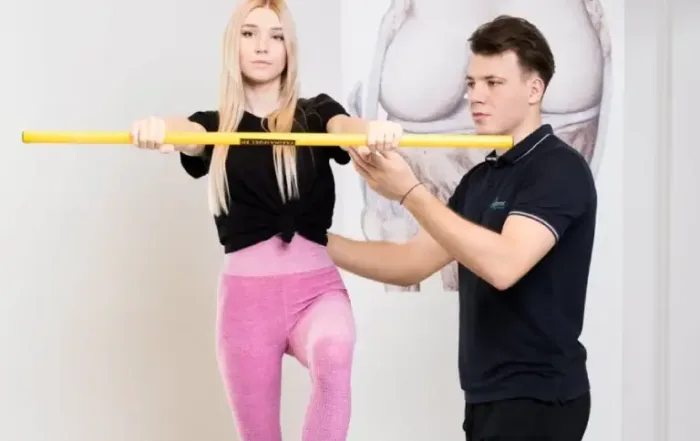
Should a woman visit a urogynecological physiotherapist as a preventive measure?
Urogynecological physiotherapy can support pelvic floor health even without significant symptoms. The importance of the consultation depends on the woman's needs.
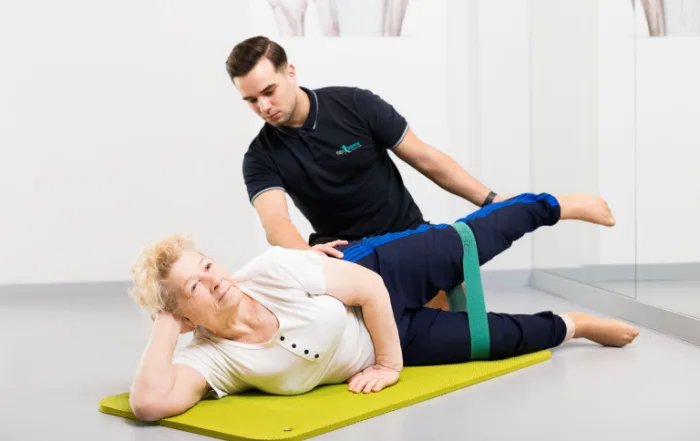
Do I need a referral to see a physiotherapist?
Referral to a physiotherapist depends on the type of service. Different rules apply to private visits and rehabilitation financed by the National Health Fund.
Scar after a cesarean section – when should you consult a physiotherapist?
After a cesarean section, the scar may remain tender for some time. If discomfort persists, it's worth considering a physiotherapy consultation.
Should a woman visit a urogynecological physiotherapist as a preventive measure?
Urogynecological physiotherapy can support pelvic floor health even without significant symptoms. The importance of the consultation depends on the woman's needs.
Do I need a referral to see a physiotherapist?
Referral to a physiotherapist depends on the type of service. Different rules apply to private visits and rehabilitation financed by the National Health Fund.
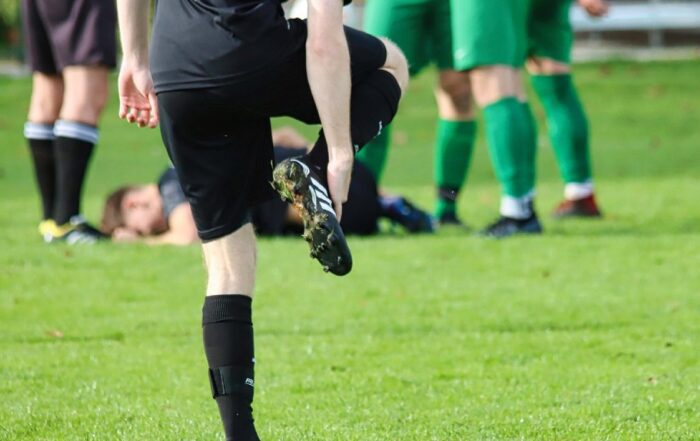
When to start rehabilitation after an injury?
The beginning of rehabilitation after an injury depends on the type of injury, symptoms, and healing process. Appropriate exercise and loading regimens are important.

Is an MRI necessary before visiting a physiotherapist?
MRI can complement a physiotherapy evaluation, but not all back, knee, or shoulder pain requires prior MRI testing.

A stress-free visit to a physiotherapist – course, examination and therapy
The first visit to a physiotherapist often turns out to be more relaxed than the patient expects. The most important things are conversation, trust, and a good plan.
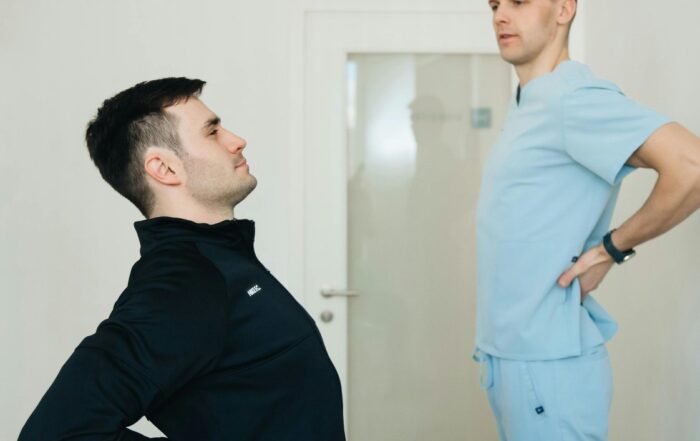
How does physiotherapy help you take care of your health every day?
You don't have to wait for an injury to take care of your musculoskeletal system. Regular physical therapy supports your body in everyday functioning.

What is lordosis and when does it require treatment?
Lordosis is a natural feature of the spine, but its deepening or shallowing can affect posture, tension and comfort of movement.

Clavitherapy treatments in Szczecin?
Clavitherapy treatments in Szczecin?
Clavitherapy is a form of reflex therapy that activates the body's natural self-healing processes. By stimulating specific nerve points, the treatment provides pain relief, supports regeneration, and reduces tension. See how much difference a single impulse can make.