


The key to feeling better
The key to feeling better
Craniosacral therapies
Craniosacral therapies
Benefits of Craniosacral Therapy.
Benefits of Craniosacral Therapy.
Craniosacral therapy promotes relaxation throughout the body. It provides relief from stress, tension, and chronic pain without the use of pharmaceuticals.
The body's natural balance
The body's natural balance
The purpose of craniosacral therapy.
The purpose of craniosacral therapy.
The aim of the therapy is to balance the craniosacral system, which is formed by the membrane system of the dura mater of the brain and spinal cord and all the bony and fascial structures attached to it.
Individual parts of this system are directly related to the movement, pulsation and flow of cerebrospinal fluid.


Craniosacral system
Craniosacral system
What can disturb the functioning of the system??
What can disturb the functioning of the system??
Disruptions within the craniosacral system occur as a result of injuries, stresses, traumatic experiences, which cause blockades that directly affect muscle tension, which in turn lead to specific ailments.
What happens in therapy?
What happens in therapy?
This is a fascial therapy that can be used by people of all ages.
During the therapy, the therapist gently touches, oppresses and manipulates, among others in the area of the sacrum, pelvis, diaphragm, upper thoracic opening and bones of the skull in order to loosen the connective tissue structures.
The functioning of the craniosacral system influences, among others, the nervous, skeletal, muscular, circulatory, lymphatic, endocrine, and respiratory systems.
Who is craniosacral therapy for??
Who is craniosacral therapy for??
Craniosacral therapy is used, inter alia, in in the following cases:
- autism, trouble concentrating, chronic fatigue, sleep disorders, hyperactivity in children and adults, stressheadaches and dizziness migraines, problems with eyesight and hearing, tinnitus, recurrent otitis, sinusitis, pain and tension in the temporomandibular joint, speech defects, teeth grinding and bite defects, back and back pain, scoliosis, premenstrual syndrome, back pain and joints, sciatica, myofascial tensions, all post-accident injuries, perinatal injuries and many more.
Who should not use it??
Who should not use it??
Contraindications to craniosacral therapy are:
- acute conditions requiring immediate medical intervention,
- brain aneurysm,
- fresh injuries and hemorrhages,
- tumors,
- active phases of mental illness.
Gentle osteopathic method
Gentle osteopathic method
Do you want to know more??
Do you want to know more??
Our Szczecin-based physiotherapists are at your service. Contact us to schedule a consultation or craniosacral therapy treatment.
When you decide to undergo a treatment at our office, you choose from a range of effective treatments performed by top-class specialists.
The treatments we perform are performed in clean, professional offices equipped with the necessary equipment.

Advice from physiotherapists
Advice from physiotherapists
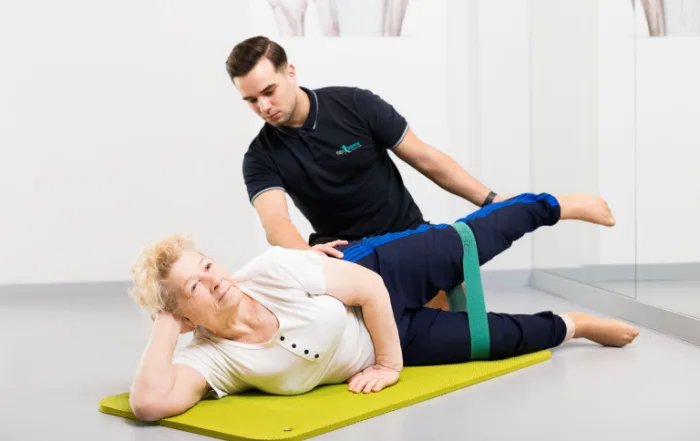
Do I need a referral to see a physiotherapist?
Referral to a physiotherapist depends on the type of service. Different rules apply to private visits and rehabilitation financed by the National Health Fund.
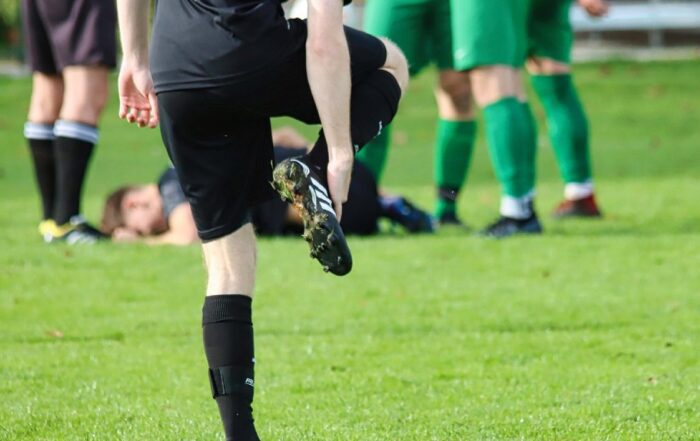
When to start rehabilitation after an injury?
The beginning of rehabilitation after an injury depends on the type of injury, symptoms, and healing process. Appropriate exercise and loading regimens are important.

Is an MRI necessary before visiting a physiotherapist?
MRI can complement a physiotherapy evaluation, but not all back, knee, or shoulder pain requires prior MRI testing.
Do I need a referral to see a physiotherapist?
Referral to a physiotherapist depends on the type of service. Different rules apply to private visits and rehabilitation financed by the National Health Fund.
When to start rehabilitation after an injury?
The beginning of rehabilitation after an injury depends on the type of injury, symptoms, and healing process. Appropriate exercise and loading regimens are important.
Is an MRI necessary before visiting a physiotherapist?
MRI can complement a physiotherapy evaluation, but not all back, knee, or shoulder pain requires prior MRI testing.

A stress-free visit to a physiotherapist – course, examination and therapy
The first visit to a physiotherapist often turns out to be more relaxed than the patient expects. The most important things are conversation, trust, and a good plan.

How does physiotherapy help you take care of your health every day?
You don't have to wait for an injury to take care of your musculoskeletal system. Regular physical therapy supports your body in everyday functioning.

What is lordosis and when does it require treatment?
Lordosis is a natural feature of the spine, but its deepening or shallowing can affect posture, tension and comfort of movement.

When should you see a physiotherapist and when should you see an orthopedist?
Physiotherapists and orthopedists help with musculoskeletal problems, but their role depends on the type of pain, injury, and movement limitations.

How to fight widow's hump?
Dowager's hump is a postural problem that can cause neck tension, headaches, and stiffness. Physiotherapy can support recovery.

Craniosacral therapy in Szczecin?
Craniosacral therapy in Szczecin?
Craniosacral therapy is a non-invasive method that provides relief from tension, pain, and chronic stress. The therapist's gentle touch promotes regeneration and relaxation, providing relief where other methods have failed. Visit our office and discover the benefits of therapy from the very first session.