

Recommended treatment method.
Recommended treatment method.
Manual therapy is a treatment method recommended by physiotherapists that helps patients suffering from pain. Manual therapy can alleviate unpleasant sensations and permanently improve health. Find out what the procedure involves and whether it can help you.
What manual therapy looks like (video)?
What manual therapy looks like (video)?
Manual therapy is a natural, non-invasive treatment method. Our physiotherapists use it in patients with musculoskeletal dysfunctions and pain symptoms.

What is manual therapy??
What is manual therapy??
The affected area is palpated to precisely locate the places that require treatment.
An experienced physiotherapist realizes that chronic pain in a specific part of the body may result from impaired musculoskeletal function, muscle or joint dysfunction, or even chronic stress.
When traditional treatment does not help, it is worth using holistic methods that help get to the heart of the problem in a natural way.
What ailments does manual therapy treat?
What ailments does manual therapy treat?
Do you suffer from pain in and around your spine? A sedentary lifestyle, injuries, poor posture, and chronic stress can all contribute to these symptoms and make daily functioning difficult.
One of the most effective and at the same time very safe methods to eliminate the problem is manual therapy. Do you know what manual therapy is and who can perform it?
Manual therapy itself is relaxing for many people - it is based on various massage techniques, muscle stratching and joint manipulation. The physiotherapist compresses the soft tissues by applying pressure to selected parts of the body near the diseased area.
In the case of manual spine therapy, the specialist restores the vertebrae to their proper place by pressing the tissues around the spine.


Who Should Use Manual Therapy?
Who Should Use Manual Therapy?
Manual therapy can be performed on patients of all ages. Before implementing the therapy, our specialists conduct a thorough interview, based on which they recommend specific treatment options and select therapeutic techniques.
It is most often recommended to people who suffer from joint pain and whose range of motion is reduced or limited. We also recommend it for neuralgia, muscle tension, posture defects and sports injuries.
Manual therapy is especially recommended for patients experiencing pain. These treatments help reduce the need for pharmacological treatment and eliminate:
- knee and elbow pain, neck, headaches, back and spine, shoulder pain, hips, numbness in the fingers.
Manual therapy is also indicated in the treatment of:
- discopathy, sciaticashoulder pain posture defects, post-traumatic edema.
What is the difference between manual therapy and massage?
Although manual therapy involves the use of selected massage techniques, its operation and assumptions are significantly different from traditional massage.
Massage is used primarily to relieve muscle tension and does not have to be used for therapeutic purposes.
Manual therapy is a technique that allows you to get to the causes of discomfort and affects muscles, joints, ligaments, tendons and nerves.
Does manual therapy hurt?
An experienced physiotherapist can perform the therapy in such a way as to reduce pain during the procedure.
Since the practitioner's primary tool during manual therapy is the hands, the pressure can be individually adjusted to the patient by observing their reactions. Some patients find manual therapy a relaxing technique that eliminates nervous tension.
Is manual therapy safe?
Contraindications to manual therapy exist and are determined after an individual interview with the patient. Some of them are:
- advanced osteoporosis, tremendous pain that makes testing impossible, local cancer-related pain, or pregnancy.
Remember that the final decision about the procedure is made by the therapist in consultation with the patient.
Rehabilitation advice
Rehabilitation advice

Scar after a cesarean section – when should you consult a physiotherapist?
After a cesarean section, the scar may remain tender for some time. If discomfort persists, it's worth considering a physiotherapy consultation.
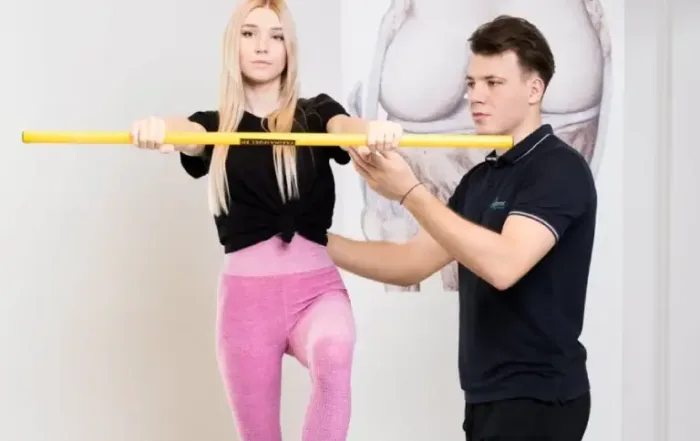
Should a woman visit a urogynecological physiotherapist as a preventive measure?
Urogynecological physiotherapy can support pelvic floor health even without significant symptoms. The importance of the consultation depends on the woman's needs.
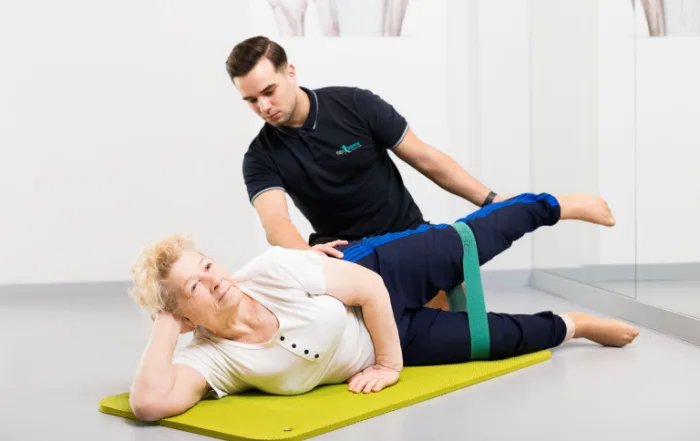
Do I need a referral to see a physiotherapist?
Referral to a physiotherapist depends on the type of service. Different rules apply to private visits and rehabilitation financed by the National Health Fund.
Scar after a cesarean section – when should you consult a physiotherapist?
After a cesarean section, the scar may remain tender for some time. If discomfort persists, it's worth considering a physiotherapy consultation.
Should a woman visit a urogynecological physiotherapist as a preventive measure?
Urogynecological physiotherapy can support pelvic floor health even without significant symptoms. The importance of the consultation depends on the woman's needs.
Do I need a referral to see a physiotherapist?
Referral to a physiotherapist depends on the type of service. Different rules apply to private visits and rehabilitation financed by the National Health Fund.
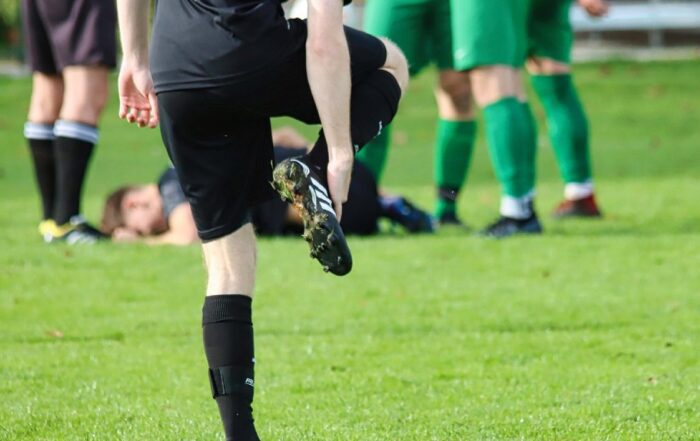
When to start rehabilitation after an injury?
The beginning of rehabilitation after an injury depends on the type of injury, symptoms, and healing process. Appropriate exercise and loading regimens are important.

Is an MRI necessary before visiting a physiotherapist?
MRI can complement a physiotherapy evaluation, but not all back, knee, or shoulder pain requires prior MRI testing.

A stress-free visit to a physiotherapist – course, examination and therapy
The first visit to a physiotherapist often turns out to be more relaxed than the patient expects. The most important things are conversation, trust, and a good plan.
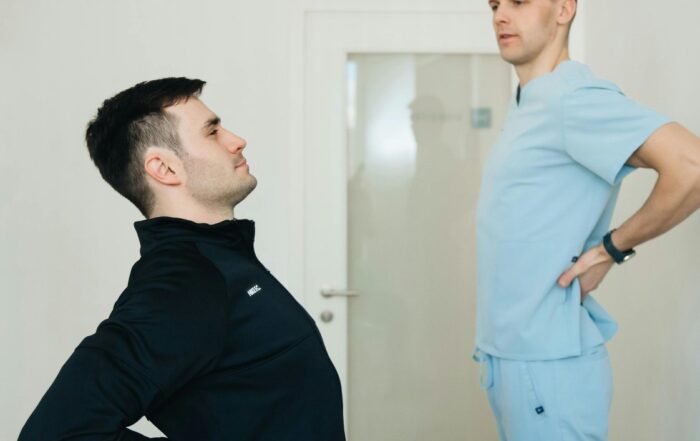
How does physiotherapy help you take care of your health every day?
You don't have to wait for an injury to take care of your musculoskeletal system. Regular physical therapy supports your body in everyday functioning.

What is lordosis and when does it require treatment?
Lordosis is a natural feature of the spine, but its deepening or shallowing can affect posture, tension and comfort of movement.

Manual therapy treatments in Szczecin.
Manual therapy treatments in Szczecin.
Manual therapy is a method of treating musculoskeletal disorders based on precise techniques performed by a therapist. At our Szczecin practice, we provide manual therapy that helps restore normal joint mobility, reduce pain, and improve overall well-being.